Nobel Prize in Physiology or Medicine 2002
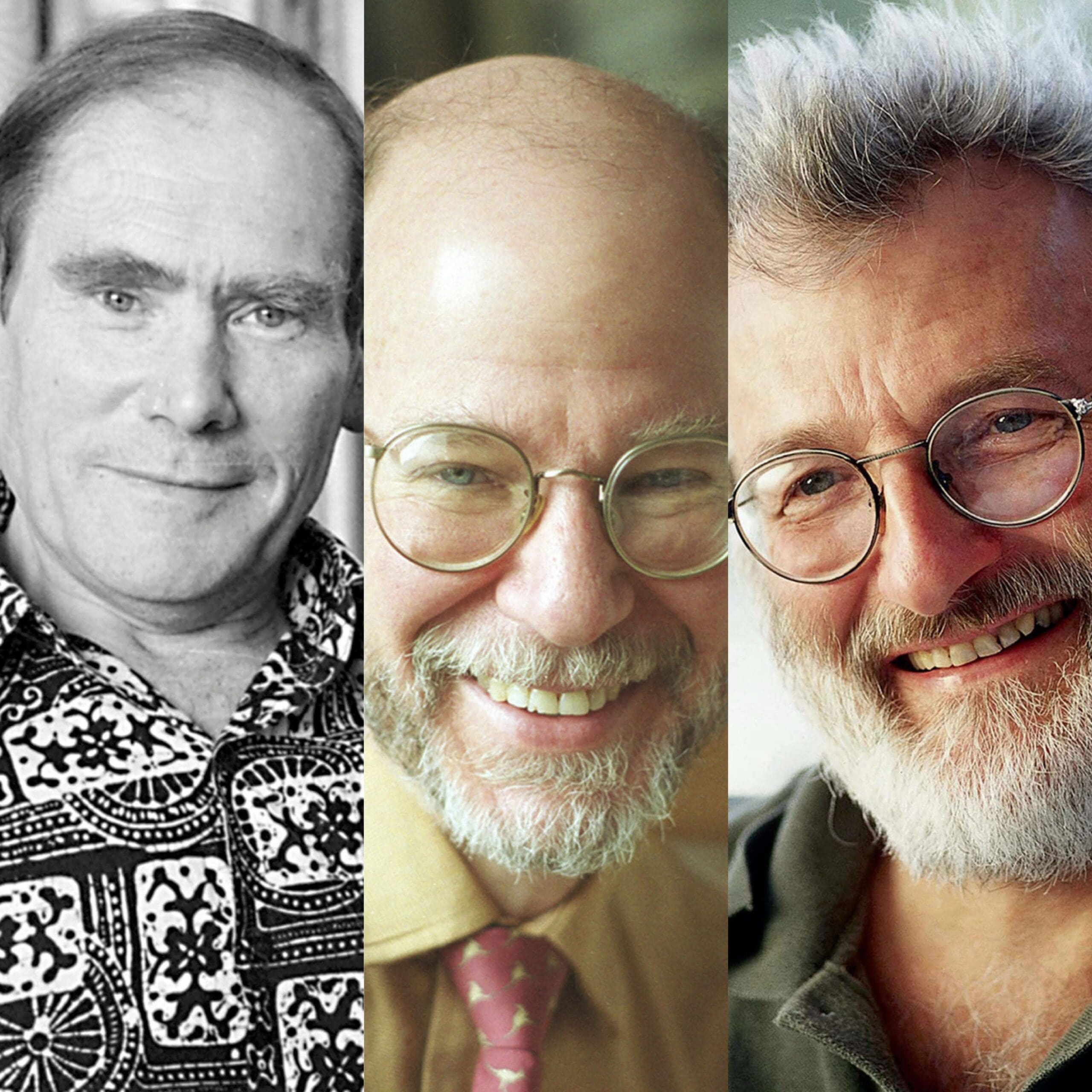
Sydney Brenner, Bob Horvitz & John Sulston
For their discoveries concerning the genetic regulation of organ development and programmed cell death in C. elegans
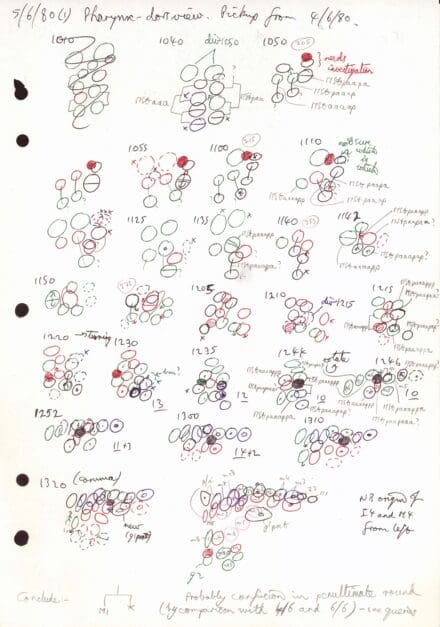
“I just loved watching the cells. It’s a beautiful thing to do and a challenge in the jigsaw-puzzling sense to get it all.”
John Sulston
Control of Cell Growth and Programmed Cell Death
The human body consists of hundreds of cell types, all originating from the fertilised egg. During the embryonic period, the number of cells increases dramatically. They mature and become specialised to form the various tissues and organs of the body. Large numbers of cells continue to form in the adult body. In parallel with the generation of new cells, cell death is a normal process both in the foetus and the adult that maintains the appropriate number of cells in tissues. This delicate, controlled elimination of cells is called programmed cell death.
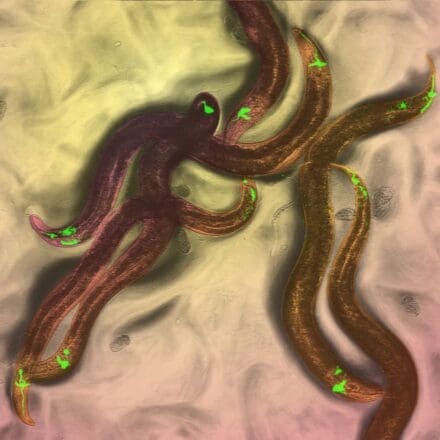
Sydney Brenner, Bob Horvitz and John Sulston studied how genes regulate organ development and how cells are programmed to die. By studying the life cycle of the adult nematode worm (Caenorhabditis elegans), which has just 959 cells, a short lifetime and is transparent, they could follow cell division as it happened and map these cells to identify the origin of the worm’s components during development. They could also see what effects gene mutations had on organ development. Studying programmed cell death is important in understanding how viruses and bacteria invade cells and how cancer changes them. Inducing such death is a key goal of cancer therapy.
Collaborating with Bob Waterston, John moved on to sequencing the worm’s genome, reading the DNA code that determines the characteristics of the worm. This work led to the sequencing of the human genome, with John leading the UK team at the Wellcome Trust Sanger Institute. Using sequencing techniques developed by Fred Sanger, the human genome was completed in 2003. This is now being studied to improve the diagnosis of disease, develop new therapies and improve healthcare. The more we learn about the human genome, the more there is to explore.