Nobel Prize in Chemistry 1997
John Walker
For the elucidation of the enzymatic mechanism underlying the synthesis of adenosine triphosphate (ATP)
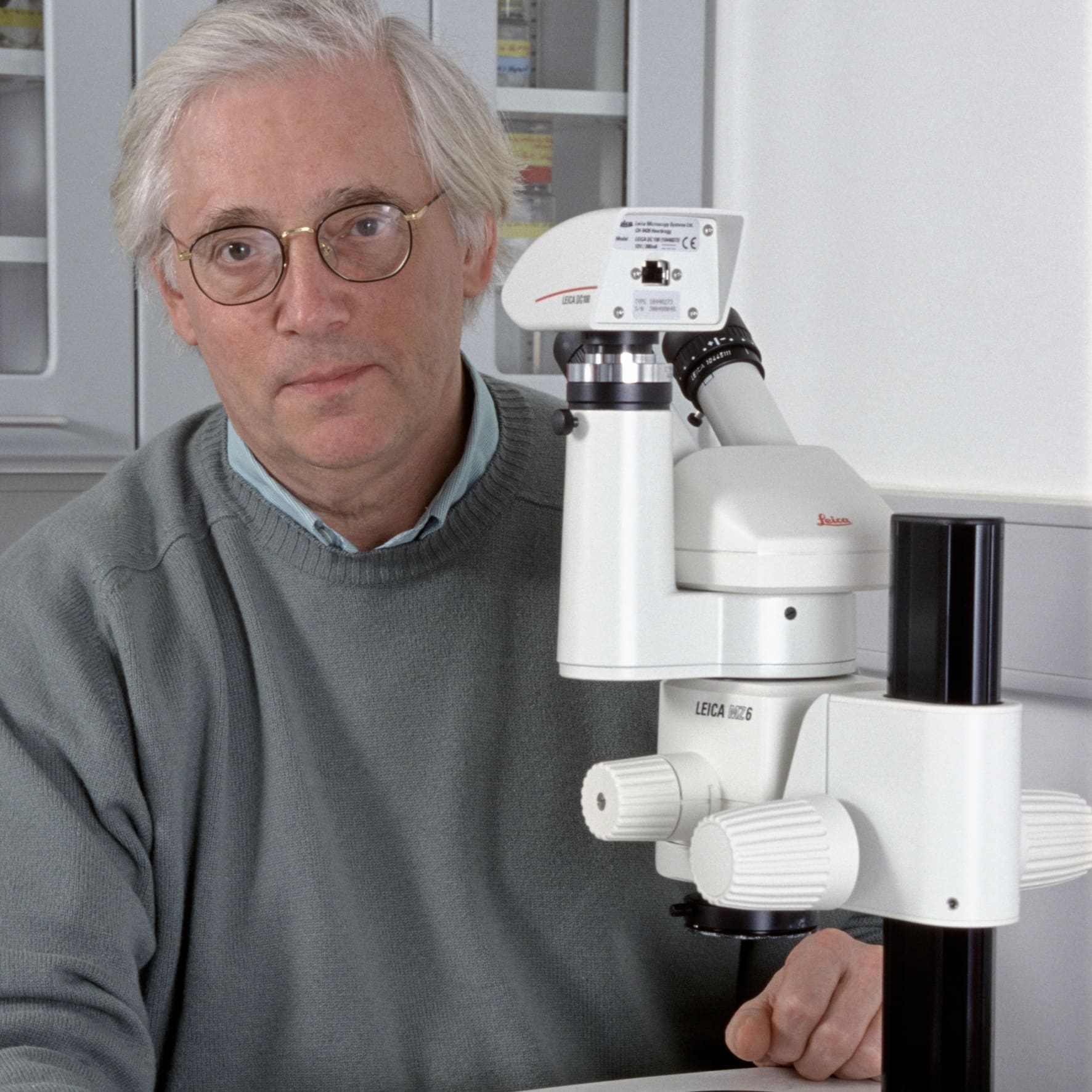
“We’re not asked to find cures for diseases, but to provide the background that allows disease processes to be better understood.”
John Walker
Energy Conversion in Cells
Adenosine triphosphate, or ATP, provides the fuel for life in all organisms from bacteria and fungi to plants and animals. It captures energy from foodstuffs and is used in building cellular components such as DNA and proteins and in many processes like in muscle contraction and transmission of nerve messages.
In the late 1970s, John Walker began his studies of ATP synthase, a molecular machine that is the key enzyme in cellular energy conversion. To understand how it works, he isolated the molecular machine involved in the production of ATP from the mitochondria, the powerhouses of cells. He characterised its many components and showed how it is constructed from them. This work led to the realisation that the machine is driven by a mechanical rotary mechanism, a new principle in enzyme function. This discovery opened up new areas of research, as well as providing the basis for biomedical applications for the benefit of humankind.
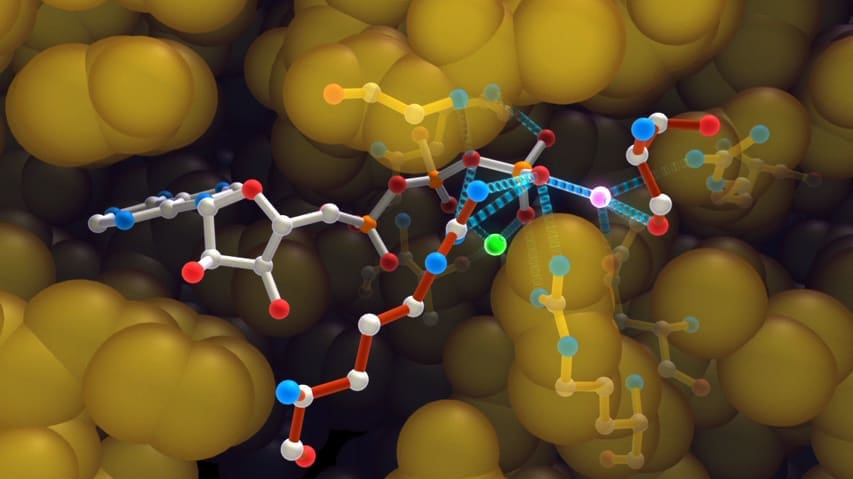
The study of the process of energy conversion in biology continued at the MRC Mitochondrial Biology Unit. Here, John Walker and other researchers focussed on understanding the biochemical and biological processes that occur in mitochondria, studying energy conversion and its involvement in human conditions such as ageing, obesity and neuromuscular and neurodegenerative diseases, intending to eventually produce new therapies.
John shared the Nobel Prize with Paul Boyer from the University of California, Los Angeles, and Jens Skou from Aarhus University.