Group Leaders
The LMB has around 55 individual groups aligned with our four Divisions. Group Leaders usually join as early- or mid-career scientists and, after completing the tenure process, are appointed on an open-ended basis to pursue long-term research programmes.
 Matteo AllegrettiStructural StudiesThe macromolecular basis of nuclear shape and remodelling
 Ivana BukvinProtein and Nucleic Acid ChemistryDe novo protein folding
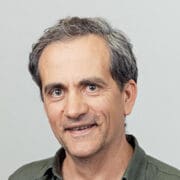 Radu AricescuNeurobiologyThe structural biology of neuronal connectivity
 Diana ArseniNeurobiologyLysosomal TMEM106B in brain ageing and disease
 David BarfordStructural StudiesMechanism and regulation of chromosome segregation in mitosis
 Buzz BaumCell BiologyThe generation and evolution of biological form: from archaea to eukaryotes
  Anne BertolottiNeurobiologyUnderstanding and manipulating cellular resilience in health and disease
 Tanmay BharatStructural StudiesRole of surface molecules in microbial multicellularity
 Simon BullockCell BiologyMolecular cell biology of cytoskeletal transport
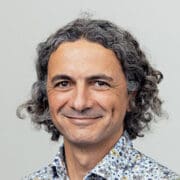 Albert CardonaNeurobiologyExperimental and comparative connectomics
 Andrew CarterStructural StudiesThe structure and mechanism of dyneins
 Emmanuel DeriveryCell BiologyMolecular basis of cell polarisation and asymmetry
 Juliette FedryCell BiologyCellular proteostasis networks in physiology and diseases
 Michel GoedertNeurobiologyMolecular mechanisms of neurodegeneration
 Joe GreenerStructural StudiesImproving force fields for biomolecular simulation
 Ingo GregerNeurobiologyAMPA receptor biogenesis, structure and function
 Michael HastingsNeurobiologyNeurons and biological timing: molecular neurobiology of the circadian clock
 Ramanujan HegdeCell BiologyMembrane protein biosynthesis and quality control
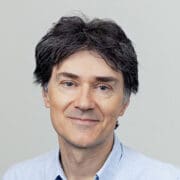 Philipp HolligerProtein and Nucleic Acid ChemistryEvolution of novel biopolymers
 Leo JamesProtein and Nucleic Acid ChemistryHost-pathogen biology
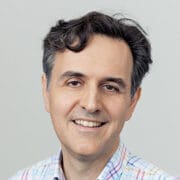 Gregory JefferisNeurobiologyGenes, circuits and behaviour in Drosophila
 Joergen KornfeldNeurobiologyConnectomics of learned behaviour
 Patrycja KozikProtein and Nucleic Acid ChemistryDendritic cells and initiation of immune responses
 Madeline LancasterCell BiologyHuman brain development and evolution
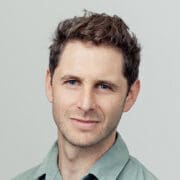 Roni Levin KonigsbergCell BiologyMolecular physiology of phagocytic cells in health and disease
 Jan LöweStructural StudiesProkaryotic cytoskeletons and other molecular machines
 Kate McDoleCell BiologyMorphogenesis of the early mammalian embryo
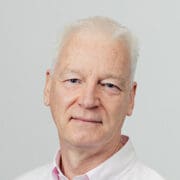 Andrew McKenzieProtein and Nucleic Acid ChemistryInvestigation of immune and haematopoietic disorders
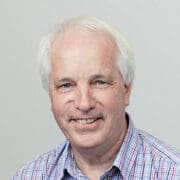 Harvey McMahonNeurobiologyMembrane curvature as an organising principle for eukaryotic cell biology
 Sean MunroCell BiologyFunctional organisation of the Golgi apparatus
 Garib MurshudovStructural StudiesComputational structural biology
 Kelly NguyenStructural StudiesMolecular mechanism of telomere maintenance
 John O’NeillCell BiologyCellular rhythms, signalling and metabolic regulation
 Lori PassmoreStructural StudiesMolecular machines that regulate gene expression
  Lalita RamakrishnanMolecular Immunity Unit, Cell BiologyMechanisms of tuberculosis pathogenesis
 Felix RandowProtein and Nucleic Acid ChemistryCell-autonomous and innate immunity
 Jing RenNeurobiologyDevelopmental assembly of the serotonin system
 Wes RobertsonProtein and Nucleic Acid ChemistrySynthetic genomics for microbiome reprogramming
 Noe RodriguezProtein and Nucleic Acid ChemistryInvestigation of immunity and neuro-immune modulation in infection and cancer
  Christopher RussoStructural StudiesImaging the atomic structure of biological molecules by electron cryomicroscopy
 Benjamin Ryskeldi‑FalconNeurobiologyPathological protein assembly in neurodegenerative diseases
 Julian SaleProtein and Nucleic Acid ChemistryVertebrate mutagenesis
 William SchaferNeurobiologyCellular and molecular mechanisms of behaviour
 Sjors ScheresStructural StudiesStructural biology of neurodegeneration
 Marta ShahbaziCell BiologyCell fate decisions in the early mammalian embryo
 John SutherlandProtein and Nucleic Acid ChemistryChemical origins of molecular biology
 Chris TateStructural StudiesStructure and function of G protein-coupled receptors
 Marco TripodiNeurobiologyNeural circuits for goal-oriented actions
 Sven TruckenbrodtNeurobiologyMolecular brain mapping
 Ana Tufegdžić VidakovićProtein and Nucleic Acid ChemistryMolecular basis of gene transcription
 Roger WilliamsProtein and Nucleic Acid ChemistryStructural studies of phosphoinositide signalling and intracellular sorting
 Joseph YeelesProtein and Nucleic Acid ChemistryMechanisms of chromosome replication
 Suyang ZhangStructural StudiesMechanism of transcription-coupled alternative splicing
 Marta ZlaticNeurobiologyCircuit mechanisms of learning and action‑selection