Leadership
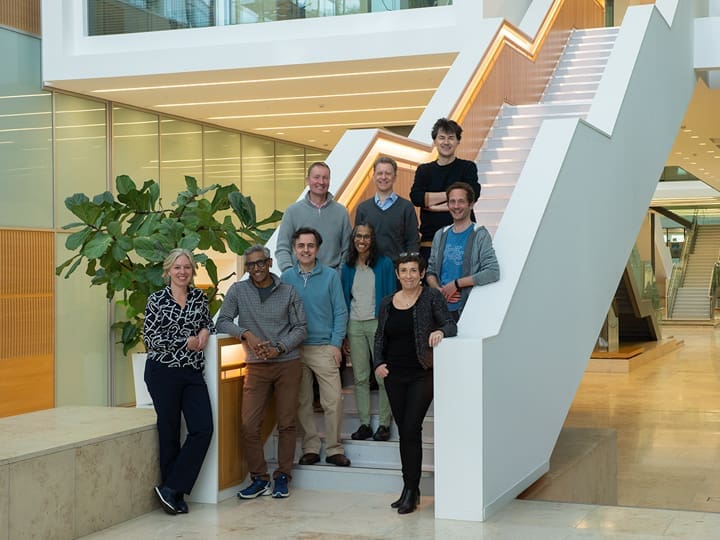
The LMB’s scientific leadership consists of the Director, Chief Operating Officer, the Heads of the four scientific Divisions and the Head of the University of Cambridge’s embedded Unit. Together this Executive Committee oversees and supports the scientific work of the LMB.
Jan Löwe, Director
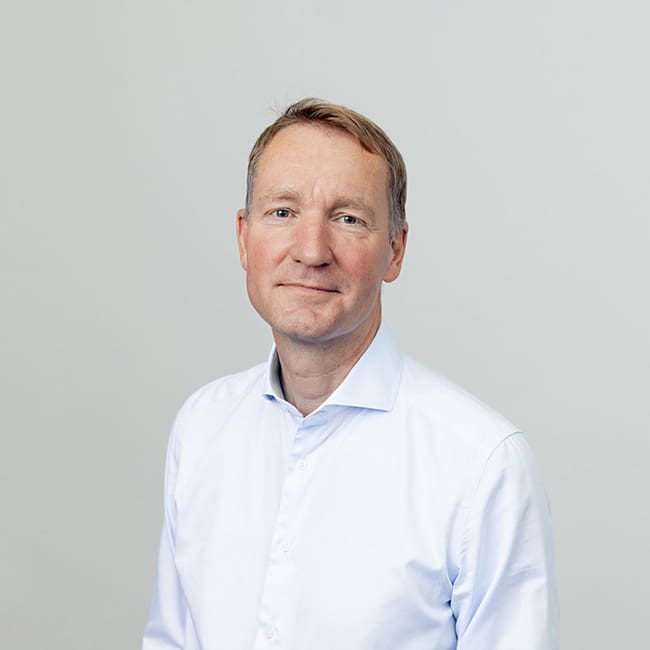
Jan Löwe is the Director of the LMB and a Group Leader in the Structural Studies Division where he researches bacterial cytoskeletons and other molecular machines. As Director, Jan oversees all of the LMB and develops and implements scientific strategy with scientists at the LMB and beyond. He interfaces with major stakeholders locally, nationally and internationally and takes a keen interest in staff development and wellbeing, and the LMB’s research culture.
Jan has been at the LMB since 1996, when he started as a postdoc with Linda Amos. He became a Group Leader in 1998 and since then has held several leadership positions at the LMB, including Joint Head of the Structural Studies Division, Deputy Director and since 2018, Director. Jan obtained a diploma in chemistry from Hamburg University in 1992 and did his PhD with Robert Huber at the Max-Planck Institute for Biochemistry. Jan was elected as a member of EMBO in 2004, a Fellow of the Royal Society in 2008 and is also a member of the German National Academy, Leopoldina. Jan was awarded the EMBO gold medal in 2007.
Jan is a Fellow at Darwin College, Cambridge, he is the chair of the LMB’s charity, the Max Perutz Fund, chair of the AstraZeneca/LMB BlueSky collaboration, a director of CBC Ltd and an Honorary Professor at the University of Cambridge.
Kevin Moreton, Chief Operating Officer
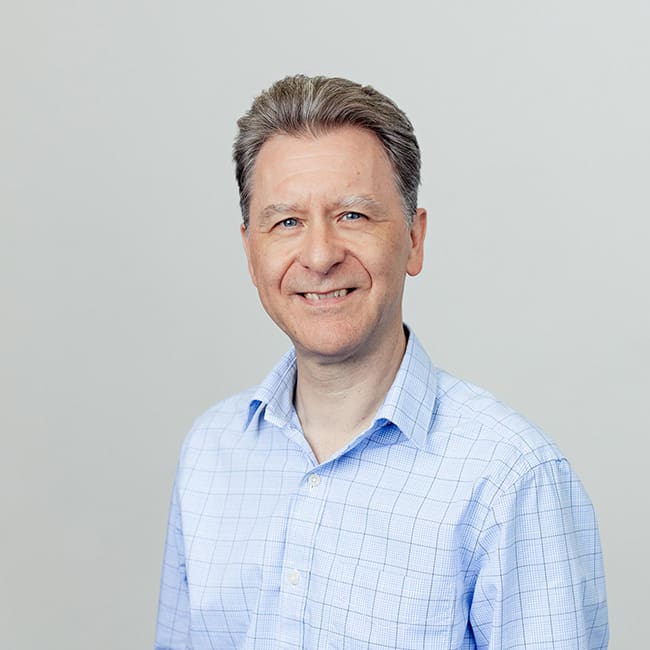
Kevin Moreton is Chief Operating Officer (COO) at the LMB, responsible for overseeing the Institute’s operational management and day-to-day running. As COO, Kevin leads highly skilled and experienced teams in HR, finance, research contracts, IT, public engagement and archive, health and safety, lab services and purchasing, estates and facilities, scientific services, scientific operations, library and vislab. Kevin helps to develop strategic plans for the Institute with the Director and Heads of Division, including developing scientific facilities, partnership opportunities and working jointly with stakeholders.
During his career, Kevin has had a wide range of scientific roles, including a postdoc at the LMB in the MRC Brain Bank and various roles at MRC Head Office, including Head of Research Careers and Head of Immunity and Infections. In 2012, he joined the Wellcome Sanger Institute as Head of Science Administration and led the future development plans of the Wellcome Genome Campus. Kevin joined the LMB as COO in 2015.
Ramanujan Hegde, Joint Head of Cell Biology

Ramanujan (Manu) Hegde is Joint Head of the LMB’s Cell Biology Division. The Division aims to understand the organising principles of individual cells and how groups of cells are used to build tissues and organs. Manu has led the Cell Biology Division since 2019 and provides general oversight of its research groups and the core facilities for mass spectrometry and light microscopy. He helps to set general strategy, provides mentorship and facilitates scientific interactions and cohesion within the Division.
Manu earned his first degree from the University of Chicago and his MD and PhD from the University of California, San Francisco. He then led a research group at the US National Institutes of Health for 11 years before joining the LMB as a Group Leader in 2011. Manu’s group studies how membrane proteins are produced in the cell and how cells detect and eliminate proteins that are superfluous, damaged, or fail to mature properly. The group uses biochemical, cell biological and structural approaches to discover and understand the machinery underlying these core pathways of protein maturation and quality control.
Manu is a Fellow of Trinity College, Cambridge, was elected a member of EMBO in 2013 and a Fellow of the Royal Society in 2016.
Madeline Lancaster, Joint Head of Cell Biology
Madeline Lancaster is Joint Head of the LMB’s Cell Biology Division, which seeks mechanistic insight into subcellular and tissue-scale biology. Madeline has led the Cell Biology Division since 2025 by providing strategic oversight, scientific input and mentorship to its Group Leaders and scientists.
Madeline obtained her PhD in Biomedical Sciences from the University of California, San Diego and subsequently undertook a postdoctoral position at the Institute of Molecular Biotechnology (IMBA) in Vienna, Austria. There she developed cerebral organoids, a model system now widely used for studying human neurobiology and disease modelling. She joined the LMB as a Group Leader in 2015, where her group studies the evolutionary mechanisms underlying human brain expansion. Using a combination of in vitro, ex vivo and in vivo tools, as well as cells from a variety of species, her group seeks to identify the genetic and molecular mechanisms that underlie human-specific brain complexity.
Madeline became an EMBO Young Investigator in 2019 and was elected a member of EMBO in 2022. She has been awarded the Cheryll Tickle Medal from the British Society for Developmental Biology, the Blavatnik Award for Life Sciences and the Vallee Scholar Award.
Anne Bertolotti, Joint Head of Neurobiology
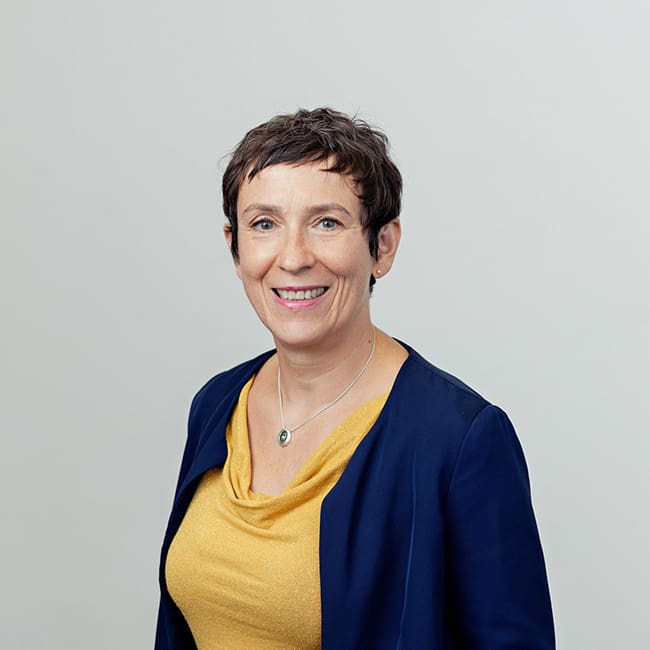
Anne Bertolotti is Joint Head of and a Group Leader in the Neurobiology Division where she leads a group working on understanding and boosting cellular protein quality control mechanisms, a therapeutic strategy for neurodegenerative diseases. As a member of the Executive Committee, Anne contributes to the scientific strategy of the LMB and more specifically that of the Neurobiology Division. She is a passionate mentor who encourages all members of the Division to think big in a supportive and inclusive environment.
Anne obtained her PhD from Strasbourg University, working with Pierre Chambon and Laszlo Tora and did a postdoc at New York University with David Ron, before joining INSERM in France. She moved to the LMB in 2006 and became Joint Head of the Neurobiology Division in 2022. Anne was elected an EMBO Young Investigator in 2005, became an EMBO member in 2013 and won the Hooke Medal in 2014 from the British Society of Cell Biology. In 2017, she was elected as a Fellow of the Academy of Medical Sciences. In 2018, she won the GlaxoSmithKline Award from the Biochemical Society. Anne’s work has also led to the foundation of 2 companies developing compounds for the treatment of neurodegenerative diseases. Anne serves and/or chairs grant and institute review panels (Wellcome Trust, SNSF, ERC, Pasteur Institute) as well as scientific advisory boards in academia and biotech companies.
Gregory Jefferis, Joint Head of Neurobiology
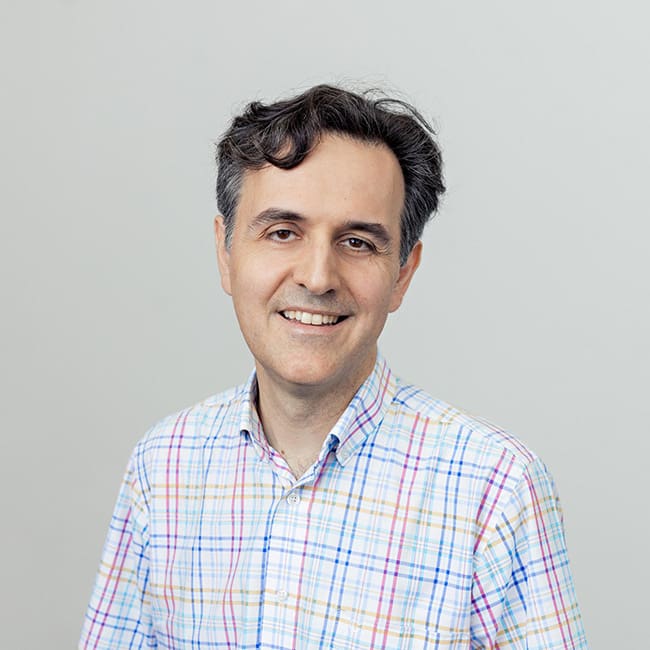
Greg Jefferis is Joint Head of the Neurobiology Division. His research group studies the neural circuit basis of behaviour, using Drosophila as a model system. They have made key contributions in understanding the logic of sex-specific brain connectivity; in the integration of learned and innate behaviours; and in neuronal circuit mapping technology, especially synaptic-resolution wiring diagrams (connectomes).
Greg studied Natural Sciences at Cambridge before obtaining a PhD in Neurosciences at Stanford University with Liqun Luo. He returned to Cambridge as a Wellcome Advanced Training Fellow in the Department of Zoology before taking up his LMB position. Greg also co-directs the Wellcome-funded Connectomics Group based in the Department of Zoology in collaboration with groups in Cambridge, Oxford and HHMI Janelia (USA).
Greg’s research has been recognised by numerous honours, including election to the EMBO Young Investigator Programme in 2013, election as a FENS Kavli Scholar in 2016. He was awarded the Royal Society Francis Crick Medal and Lecture in 2019 and was elected a Fellow of the Royal Society in 2025.
Philipp Holliger, Joint Head of Protein and Nucleic Acid Chemistry
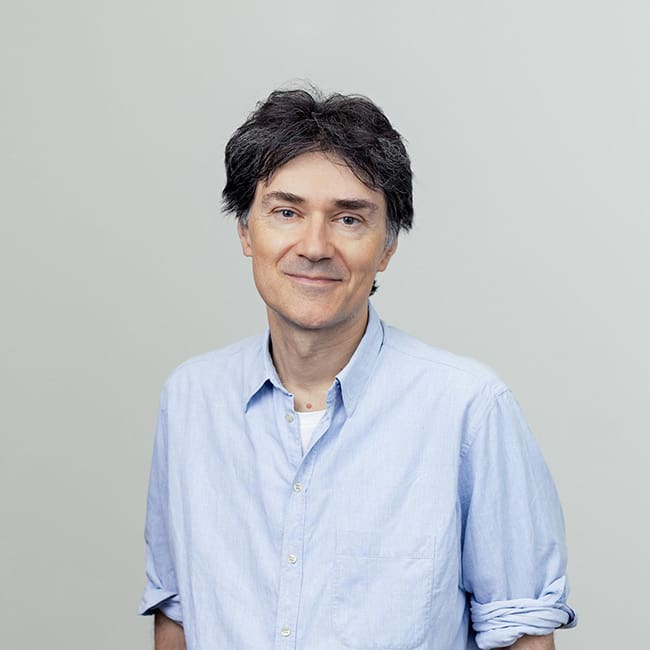
Phil Holliger is Joint Head of the Protein and Nucleic Acid Chemistry (PNAC) Division and a Group Leader at the LMB. His group’s research spans the fields of chemical biology and synthetic biology and seeks to answer fundamental questions regarding the chemical logic and functional constraints of molecular information encoding in genetic systems. His group has developed innovative methods for synthetic biology, biomolecular engineering and in vitro evolution.
Phil joined the LMB as a Group Leader in 2000 and became Joint Head of PNAC in 2024. Phil graduated from the Swiss Federal Institute of Technology (ETH) Zürich, Switzerland with distinction, working with Steven A. Benner. He then moved to Cambridge for his PhD and a postdoc with Sir Greg Winter (Nobel laureate, Chemistry 2018). Phil was elected as an EMBO member in 2015 and is a founder and director of the biotechnology company Sortera Bio Ltd.
Julian Sale, Joint Head of Protein and Nucleic Acid Chemistry
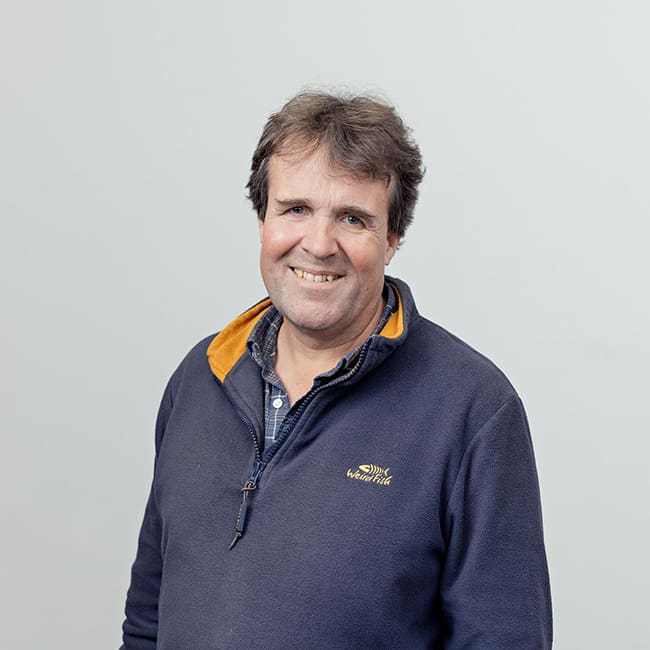
Julian Sale is Joint Head of the Protein and Nucleic Acid Chemistry Division. His research group uses genetic and bioinformatic approaches to understand the origins of mutagenesis and the evolution and stability of the human genome and epigenome. He also co-leads the Synthetic Human Genome Project, SynHG, a Wellcome Trust-funded collaborative initiative aimed at developing the foundational and scalable technologies needed to synthesise human genomes.
Julian trained in medicine and gained membership of the Royal College of Physicians before joining the LMB as an MRC Clinical Training Fellow in 1996, working with Michael Neuberger. While holding an MRC Clinician Scientist Fellowship, he became a Group Leader in 2001. He is a Fellow and Francis Crick Lecturer at Gonville & Caius College, Cambridge, an Associate Faculty Member of the Wellcome Trust Sanger Institute and Senior Executive Editor of Nucleic Acids Research.
Lori Passmore, Joint Head of Structural Studies

Lori Passmore is Joint Head of the Structural Studies Division at the LMB and a Group Leader. Her group studies the mechanisms of molecular machines involved in the biogenesis of mRNA poly(A) tails and DNA repair. As Joint Head of Division, Lori is responsible for strategy as well as management of core scientific facilities including cryo-EM, NMR, X-ray crystallography, scientific computing and the workshops, together with Sjors Scheres. She is passionate about mentoring and making the LMB a welcoming place for successful career development as well as for amazing science.
Lori joined the LMB in 2004 as a postdoc with Venki Ramakrishnan and Richard Henderson before starting her own group in 2009. Lori studied biochemistry at the University of British Columbia in Canada and did her PhD with David Barford at the Institute of Cancer Research in London. She was elected an EMBO Young Investigator in 2015, an EMBO member in 2018 and a Fellow of the Royal Society in 2023. She was awarded a Suffrage Science award in 2016 and the inaugural Elisa Izaurralde Award of the RNA Society in 2020. Lori is a Fellow and Tutor at Clare Hall, Cambridge.
Sjors Scheres, Joint Head of Structural Studies
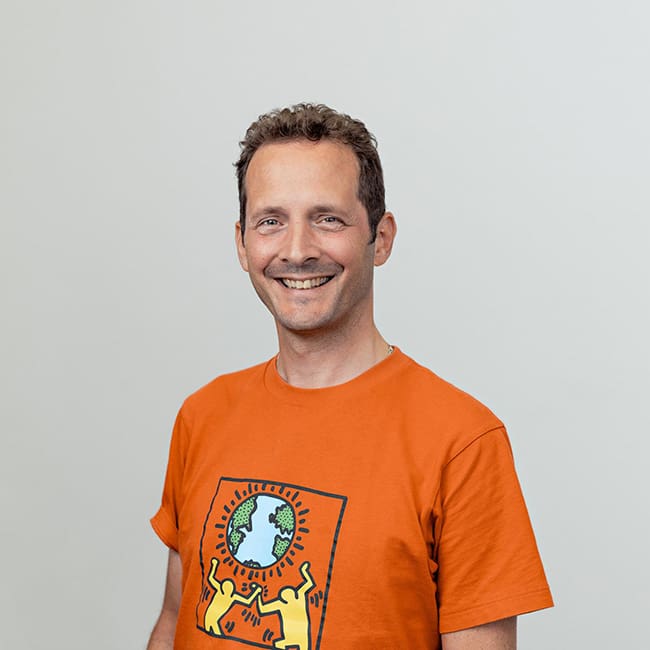
Sjors Scheres is Joint Head of Division and a Group Leader in the Structural Studies Division. His research combines computational developments for cryo-EM structure determination with the structural characterisation of amyloid filaments that are characteristic of neurodegenerative disease. The work on amyloids is in close collaboration with Michel Goedert in the Neurobiology Division. As Joint Head of Division, together with Lori Passmore, Sjors strives to create an environment where all members of the Division can thrive, and bold science can flourish.
Sjors has been at the LMB since 2010, when he started as a tenure-track Group Leader. He has been Joint Head of the Structural Studies Division since 2018. Sjors studied chemistry at Utrecht University, where he also did his PhD with Piet Gros at the Bijvoet Centre for Biomolecular Research. Sjors was elected as an EMBO member in 2017, and a Fellow of the Royal Society in 2021. He is also a Fellow of the Academy of Medical Sciences and a foreign member of the Royal Netherlands Academy of Arts and Sciences. Sjors was awarded the gold medal of the Dutch Royal Chemical Society (KNCV) in 2015, and the Royal Society Van Leeuwenhoek Medal and Lecture in 2022.
Lalita Ramakrishnan, Head of University Molecular Immunity Unit

Lalita Ramakrishnan is Head of the Molecular Immunity Unit (MIU), which is embedded in the LMB. The MIU is part of the Cambridge Institute of Therapeutic Immunology and Infectious Diseases (CITIID) wihin the Department of Medicine. As the Head of the MIU, Lalita facilitates resource sharing and interactions with the LMB, aiming to improve the interface between molecular biology and clinical medicine. She initiates joint seminar series and research interest groups. Lalita’s research is focussed on tuberculosis pathogenesis and drug tolerance and her findings have led to clinical studies and trials.
Lalita joined the MIU in 2014 as a Professor of Immunology and Infectious Diseases. She obtained her medical degree at Baroda Medical College, India and her PhD in Immunology at Tufts University. She completed a medical residency at Tufts, a clinical infectious diseases fellowship at UCSF and a postdoc at Stanford University. In 2001, she joined the faculty of microbiology, immunology and medicine at the University of Washington, from where she was recruited to the University of Cambridge. In 2022, she was appointed Group Leader in the Cell Biology Division. She remains a practising physician and is an infectious diseases consultant for patients with complex immune disorders at Cambridge University Hospitals.
Lalita is a member of the US National Academy of Sciences and EMBO. She is a Fellow of the Royal Society, the Academy of Medical Sciences and the American Association of Microbiology. She was the 2024 recipient of the Robert Koch Award and the Gardner Middlebrook Award for Lifetime Achievement in Mycobacterial Research. Lalita is a Professorial Fellow at Clare Hall, Cambridge.
Past Leadership
Directors
Deputy Directors
Cell Biology: Heads of Division




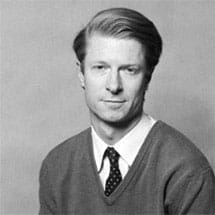
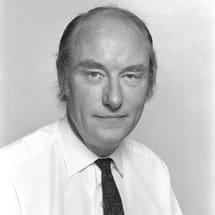
| 2025 – present | Ramanujan Hegde & Madeline Lacaster |
| 2023 – 2025 | Ramanujan Hegde |
| 2019 – 2023 | Sean Munro & Ramanujan Hegde |
| 2013 – 2019 | Sean Munro |
| 2012 – 2013 | Matthew Freeman & Sean Munro |
| 2008 – 2012 | Matthew Freeman |
| 2007 – 2008 | Mariann Bienz & Matthew Freeman |
| 1995 – 2006 | Hugh Pelham |
| 1992 – 1995 | Mark Bretscher & Hugh Pelham |
| 1987 – 1992 | Mark Bretscher |
| 1984 – 1986 | Peter Lawrence & Mark Bretscher |
| 1983 – 1983 | Sydney Brenner (acting) |
| 1979 – 1983 | John Gurdon |
| 1977 – 1979 | Sydney Brenner |
| 1963 – 1977 | Francis Crick & Sydney Brenner |
| 1962 – 1963 | Francis Crick |
Neurobiology : Heads of Division
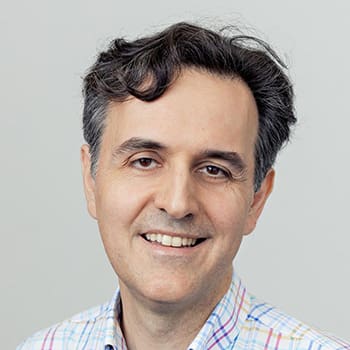
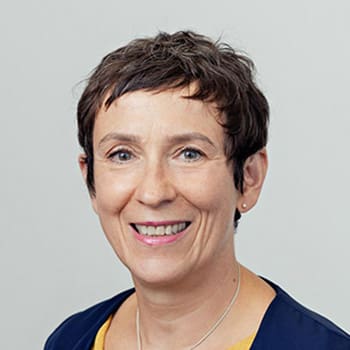
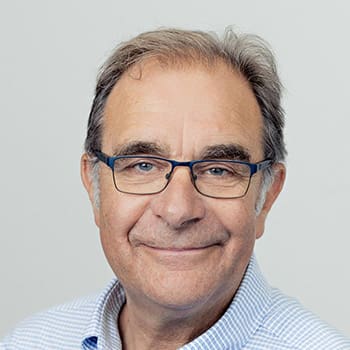

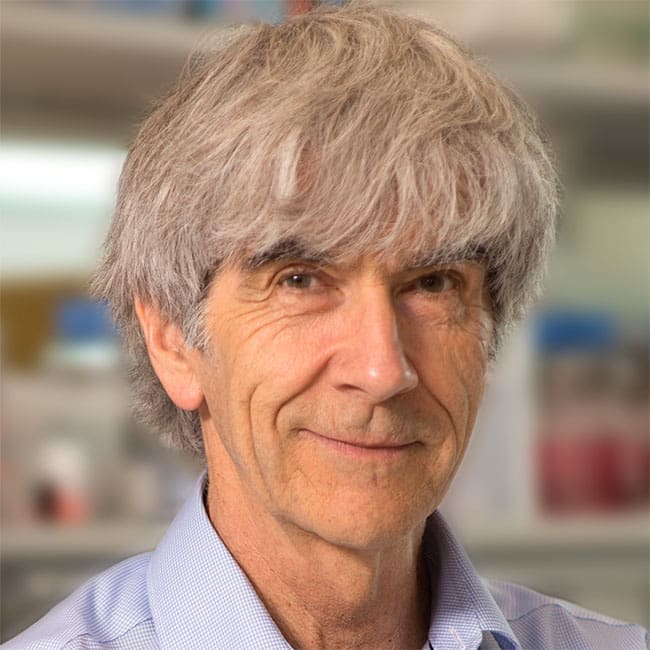
| 2023 – present | Anne Bertolotti & Greg Jefferis |
| 2022 – 2023 | Michael Hastings & Anne Bertolotti |
| 2016 – 2022 | Michael Hastings |
| 2013 – 2016 | Michel Goedert & Michael Hastings |
| 2007 – 2013 | Michel Goedert |
| 2003 – 2007 | Nigel Unwin & Michel Goedert |
| 1994 – 2003 | Nigel Unwin |
Protein and Nucleic Acid Chemistry : Heads of Division
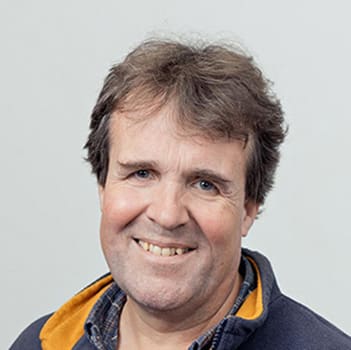
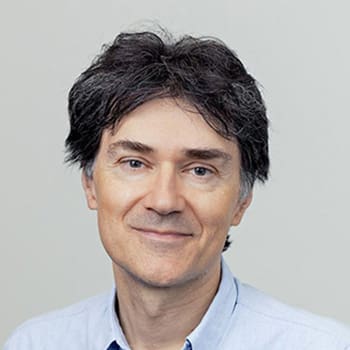
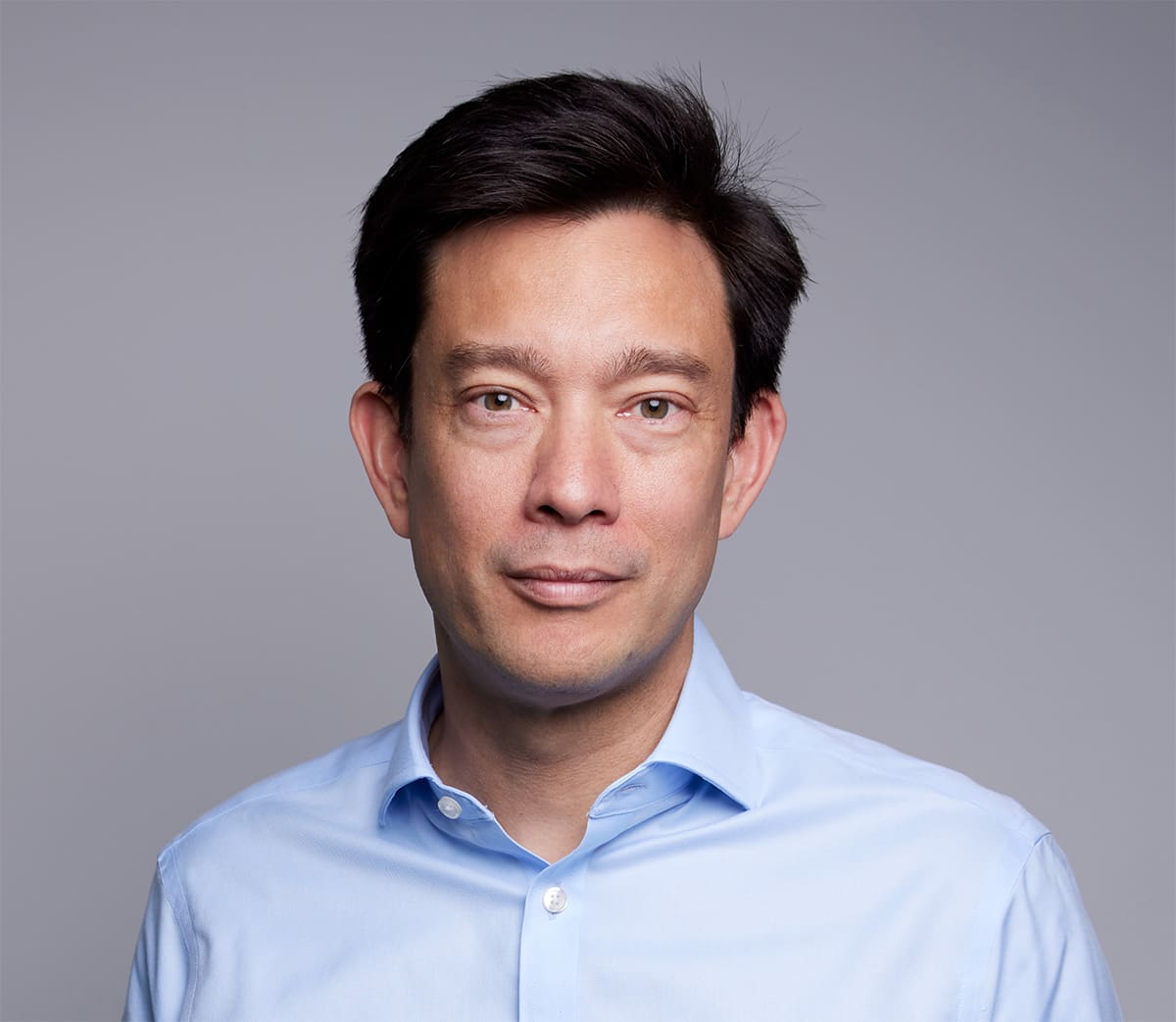
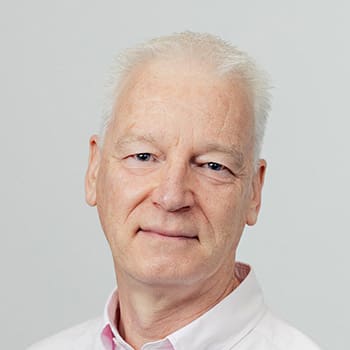
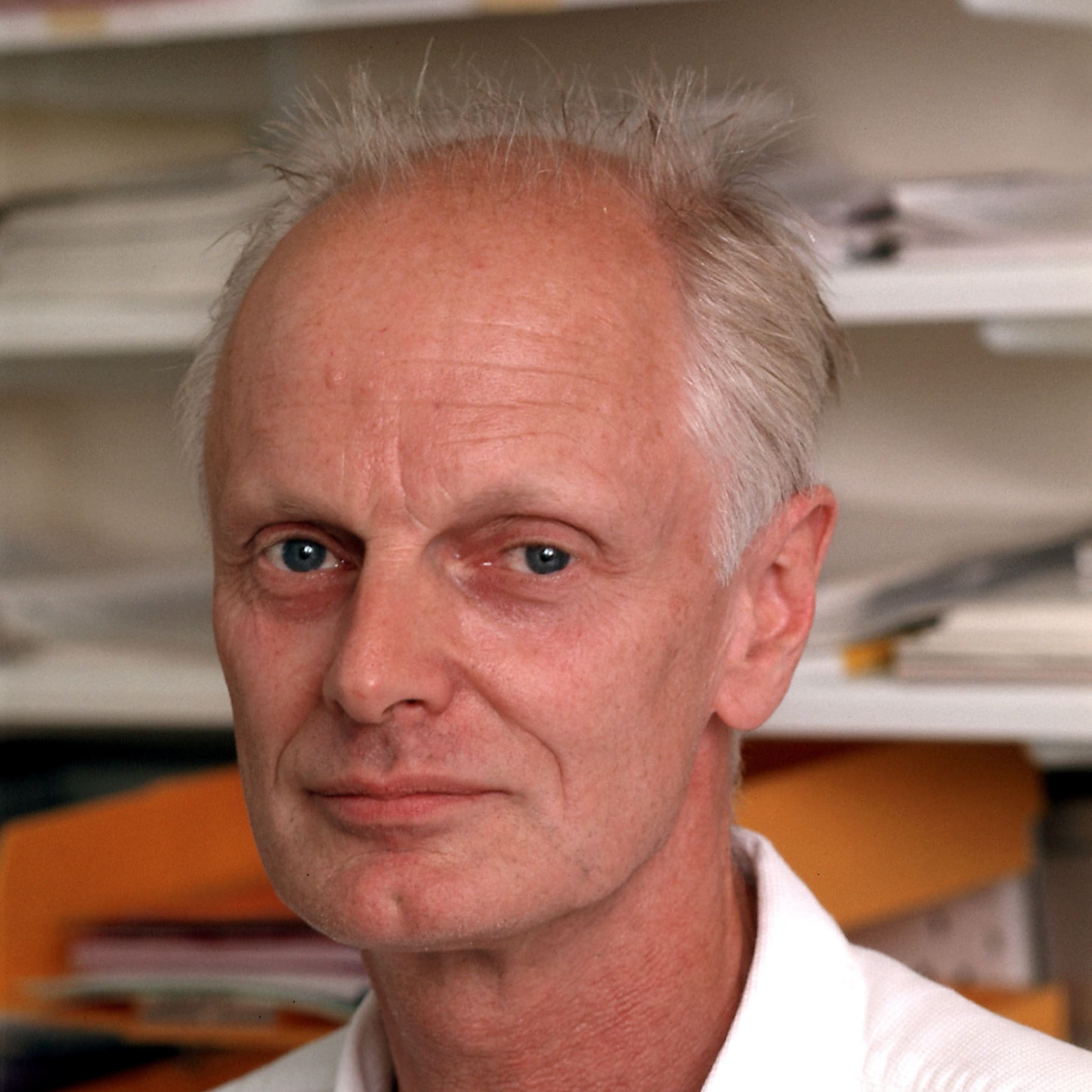
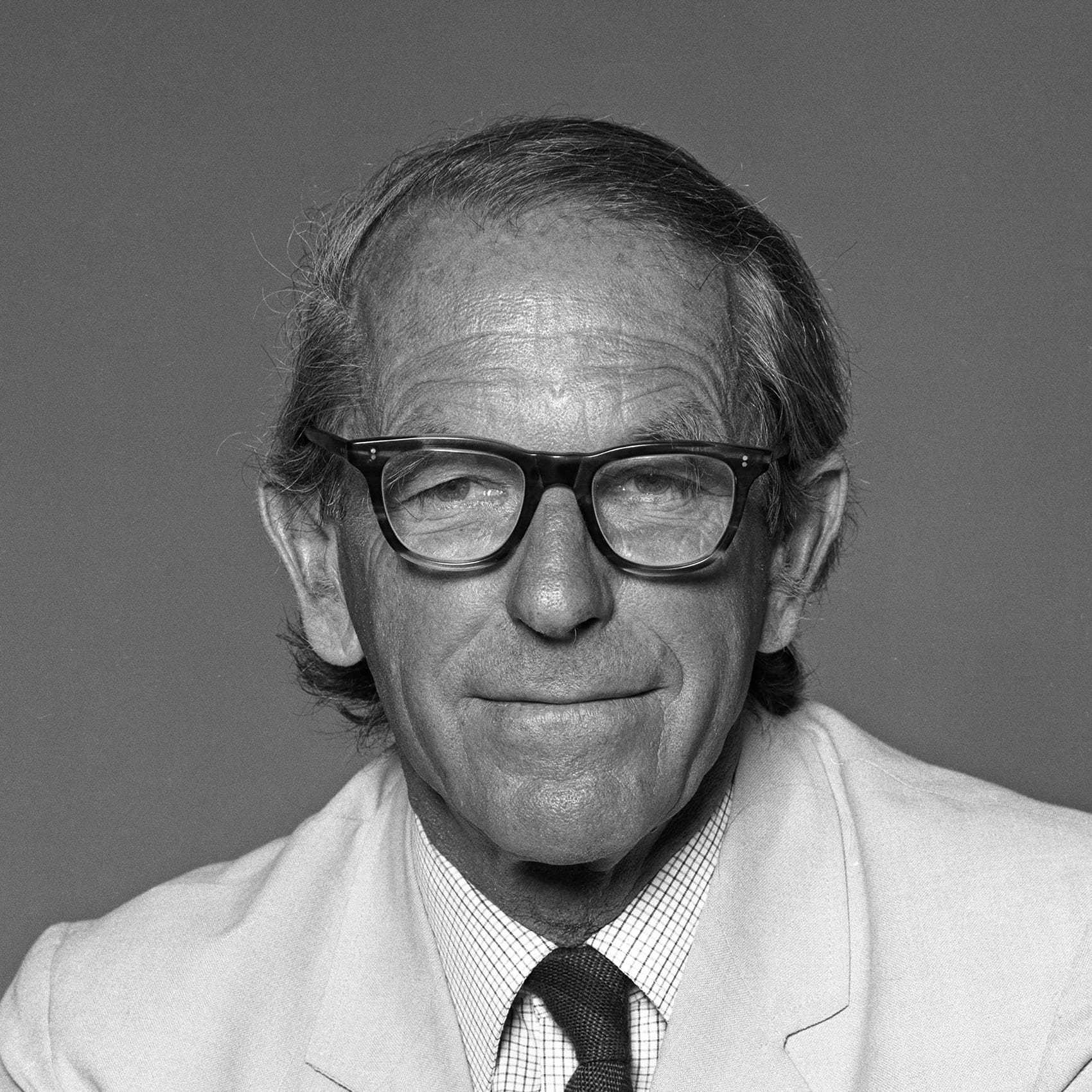
| 2025 – present | Philipp Holliger & Julian Sale |
| 2025 – 2025 | Philipp Holliger |
| 2024 – 2025 | Jason Chin & Philipp Holliger |
| 2018 – 2024 | Andrew McKenzie & Jason Chin |
| 2013 – 2018 | Mariann Bienz & Andrew McKenzie |
| 2008 – 2013 | Michael Neuberger & Mariann Bienz |
| 2002 – 2008 | Greg Winter & Michael Neuberger |
| 1994 – 2002 | Terry Rabbitts & Greg Winter |
| 1993 – 1993 | Terry Rabbitts |
| 1987 – 1992 | César Milstein & Terry Rabbitts |
| 1983 – 1987 | César Milstein |
| 1981 – 1982 | Fred Sanger & César Milstein |
| 1962 – 1981 | Fred Sanger |
Structural Studies : Heads of Division

| 2024 – present | Sjors Scheres & Lori Passmore |
| 2018 – 2024 | David Barford & Sjors Scheres |
| 2015 – 2018 | Jan Löwe & David Barford |
| 2010 – 2015 | Venki Ramakrishnan & Jan Löwe |
| 2005 – 2010 | Kiyoshi Nagai & Venki Ramakrishnan |
| 2000 – 2005 | Tony Crowther & Kiyoshi Nagai |
| 1994 – 2000 | Richard Henderson & Tony Crowther |
| 1987 – 1994 | Richard Henderson & Nigel Unwin |
| 1986 – 1987 | Hugh Huxley & Richard Henderson |
| 1977 – 1986 | Hugh Huxley & Aaron Klug |
| 1975 – 1976 | Max Perutz (acting) |
| 1962 – 1975 | John Kendrew |