Animal Research
The LMB aims to understand complex biological problems so that we can better understand, treat and prevent human disease. Our research programmes investigate immune and infectious diseases, neurological and neurodegenerative disorders and genetic and developmental conditions that affect millions of people in the world.
The complex processes we study do not occur in isolation in the body and require approaches where we can examine responses at the level of organs and the whole organism. It is not yet possible to recreate the complexity of the human body within a test tube or a synthetic model, so animals are required to investigate whole body systems. It is only by investigating these interactions within an organism that they can be fully understood, and new therapeutic approaches to widespread diseases and conditions can be developed. Indeed, the LMB’s Nobel Prize-winning work on monoclonal antibodies led to transformative treatments in many diseases.
LMB scientists only use animal studies where there is no alternative and in combination with other non-animal experiments, including cell culture, organoids or other species like fruit flies and worms. Our researchers use mice because their genetic and biological similarities to humans make them good models for understanding human diseases and developing treatments.
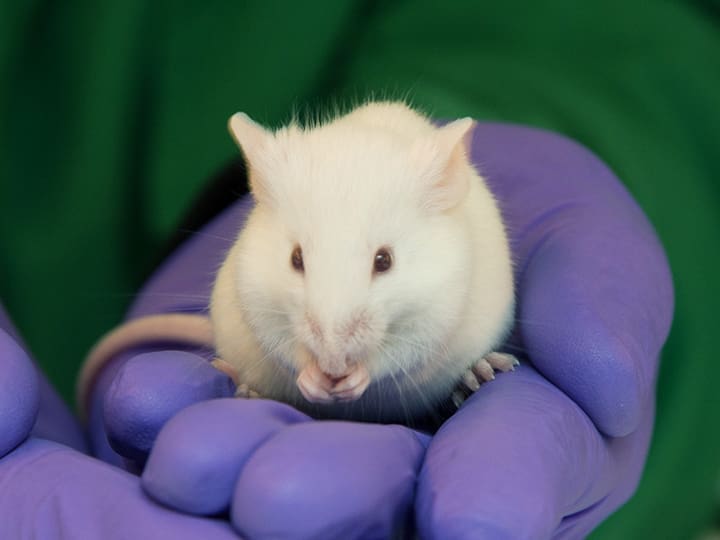
Biological Services Group
LMB animal technicians provide expert care to mice in accordance with UK legislation.
Latest Animal Research News



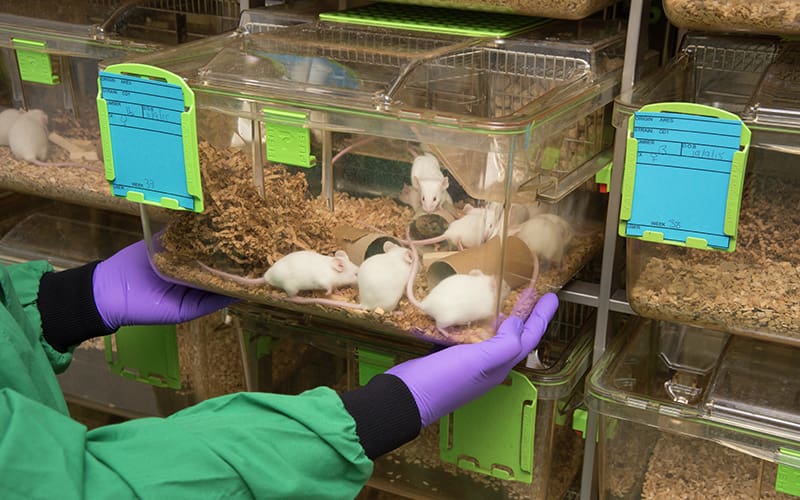
Regulation, Welfare & Ethics
All LMB animal use is conducted in accordance with UK legislation and with a focus on welfare considerations.
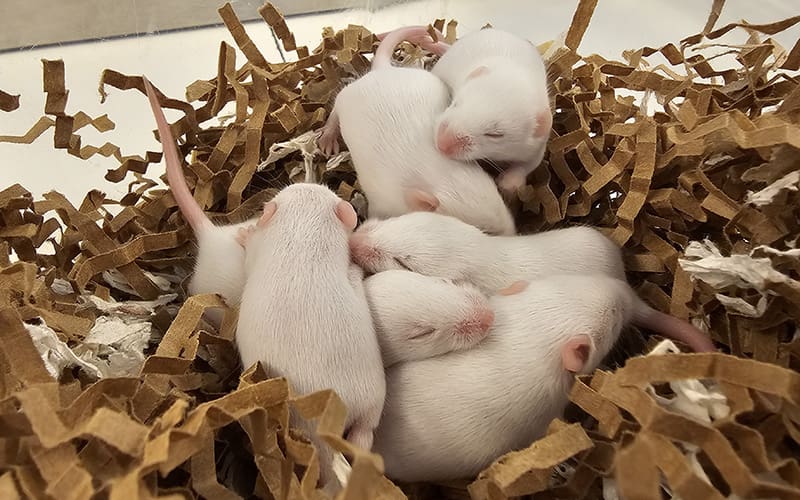
The Principles of the 3Rs
The LMB is committed to implementing the principles of Replacement, Refinement and Reduction.
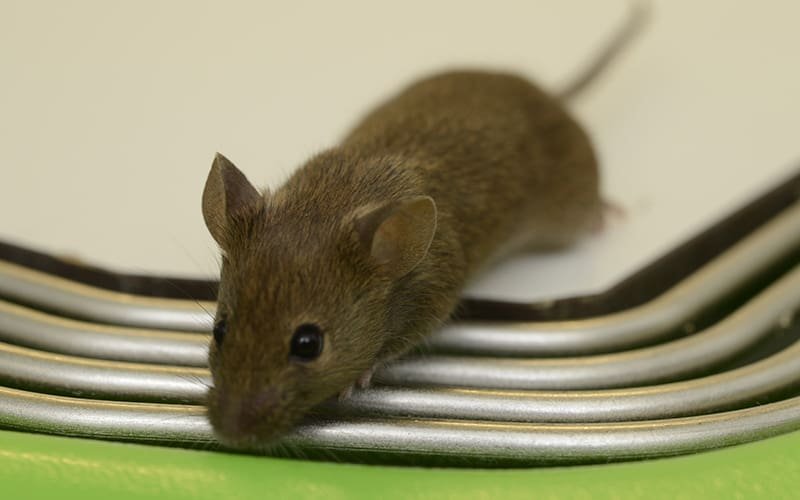
Animal Use Statistics
Each year, the LMB publishes the total numbers of animals used and the severity levels of procedures conducted.
Concordat on Openness
The Concordat on Openness is a declaration signed by many bioscience organisations in the UK. The MRC, which funds the LMB, is one of these signatories and is committed to enhancing communication about the use of animals in scientific research. We are working towards fulfilling the following four commitments:
- We will be clear about when, how and why we use animals in research.
- We will enhance our communications with the media and the public about our research using animals.
- We will be proactive in providing opportunities for the public to find out about our research using animals.
- We will report on progress annually and share our experiences.