Animal Research
The LMB aims to understand complex biological problems so that we can better understand, treat and prevent human disease. Our research programmes investigate immune and infectious diseases, neurological and neurodegenerative disorders and genetic and developmental conditions that affect millions of people in the world.
The complex processes we study do not occur in isolation in the body and require approaches where we can examine responses at the level of organs and the whole organism. It is not yet possible to recreate the complexity of the human body within a test tube or a synthetic model, so animals are required to investigate whole body systems. It is only by investigating these interactions within an organism that they can be fully understood, and new therapeutic approaches to widespread diseases and conditions can be developed. Indeed, the LMB’s Nobel Prize-winning work on monoclonal antibodies led to transformative treatments in many diseases.
LMB scientists only use animal studies where there is no alternative and in combination with other non-animal experiments, including cell culture, organoids or other species like fruit flies and worms. Our researchers use mice because their genetic and biological similarities to humans make them good models for understanding human diseases and developing treatments.
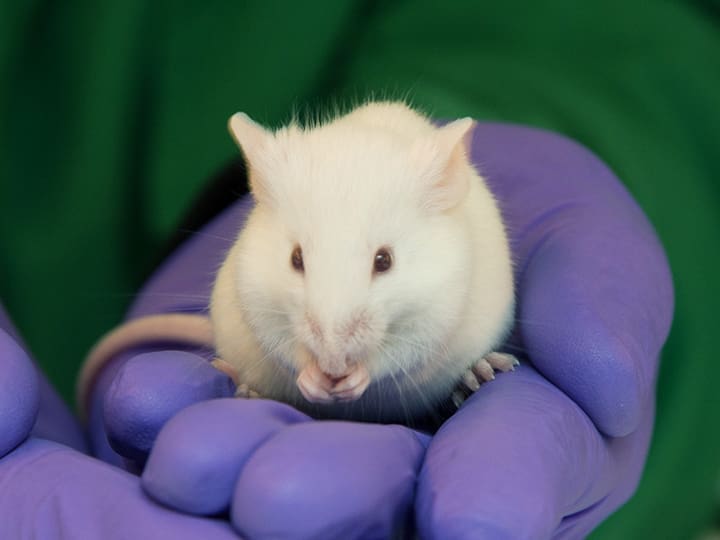
Biological Services Group
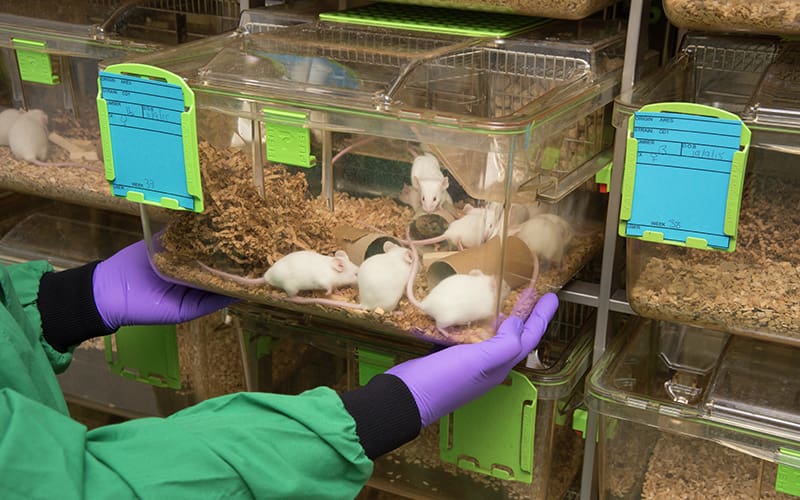
LMB animal technicians provide expert care to mice in accordance with UK legislation.
Latest Animal Research News
Animal Research Policy Statement
We are committed to conducting animal research only where it is essential to advance scientific and medical knowledge and where no suitable non-animal alternatives exist.
LMB scientists pursue a number of methods which either replace or reduce the number of animals used in their research, such as the use of cell cultures, 3D cell systems and organoids, computational and in silico models to model biological processes and human tissues donated from medical patients. The LMB is known for pioneering cryo-EM which allows researchers to study proteins, viruses, and molecular machines at atomic resolution without using animals.
At the LMB all work involving animals is carried out in strict accordance with legal regulations, the Animals (Scientific Procedures) Act 1986 and is subject to ethical review by the LMB Animal Welfare and Ethical Review Body (AWERB) prior to Home Office approval to commence studies.
The LMB has a strong culture of care, with a shared set of values, attitudes and practices that ensure the wellbeing of animals, staff and the quality of science. We believe that animals and staff should always be treated with dignity and respect in addition to fulfilling the regulatory requirements.
We apply the principles of the 3Rs (Replacement, Refinement, and Reduction) seeking to minimise animal use, reduce suffering, and improve animal welfare. Rodents and fish are housed and cared for in high quality environments containing the appropriate added enrichments to support natural behaviours.
Our staff are highly trained and competent in husbandry and procedures. Staff are dedicated to maintaining the highest standards of care, transparency and scientific integrity. We continuously review our practices to ensure responsible, humane and necessary use of animals in research. Animal numbers are minimised through careful experimental design and statistical justification.
Research programmes involving animals are subject to ongoing oversight and review in order that the potential scientific and medical benefits are considered to outweigh the ethical costs.
The LMB is a signatory to the Concordat on Openness on Animal Research and together with over 130 other research institutes, higher education establishments, biomedical companies and charities is committed to transparency and public engagement on animal research.
Regulation, Welfare & Ethics
All LMB animal use is conducted in accordance with UK legislation and with a focus on welfare considerations.
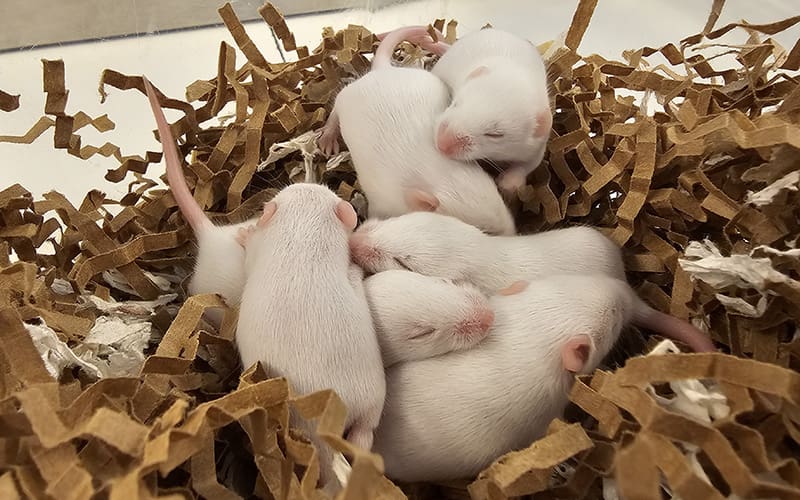
The Principles of the 3Rs
The LMB is committed to implementing the principles of Replacement, Refinement and Reduction.
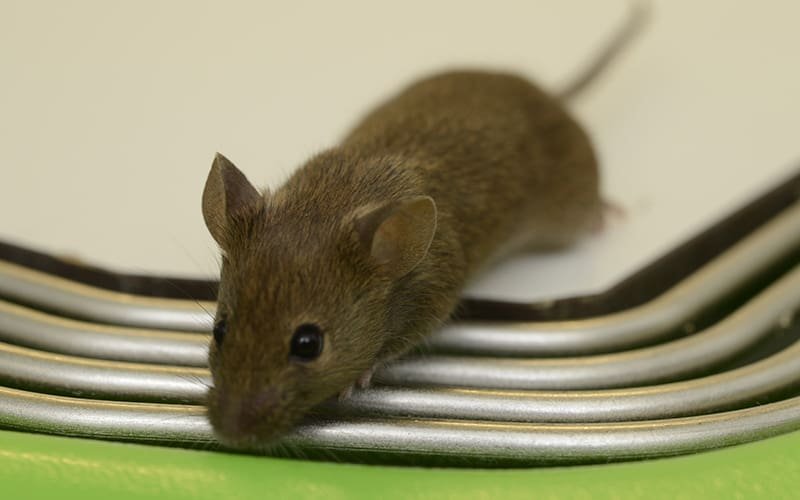
Animal Use Statistics
Each year, the LMB publishes the total numbers of animals used and the severity levels of procedures conducted.
Concordat on Openness
The Concordat on Openness is a declaration signed by many bioscience organisations in the UK. The MRC, which funds the LMB, is one of these signatories and is committed to enhancing communication about the use of animals in scientific research. We are working towards fulfilling the following four commitments:
- We will be clear about when, how and why we use animals in research.
- We will enhance our communications with the media and the public about our research using animals.
- We will be proactive in providing opportunities for the public to find out about our research using animals.
- We will report on progress annually and share our experiences.
The LMB has achieved Leaders in Openness status for 2026-2029 after demonstrating sector-leading communications and transparency on the topic of animal research.