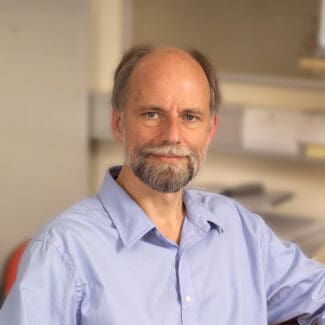
I obtained my degree and PhD in biochemistry from the University of Cambridge and, after a postdoc with Donald Brown at the Carnegie Institution of Washington in Baltimore, joined the LMB as a Group Leader in 1981. I was Joint Head and then Head of the Cell Biology Division from 1992 to 2006, Deputy Director from 1996 to 2006, and Director from 2006 to 2018. As Deputy Director and Director, I was deeply involved in the design and delivery of the new building to which the LMB moved in 2013.
My group worked initially on the transcriptional control of heat shock genes, identifying the regulatory DNA sequence and the transcription factor that binds to it. We then turned to the role of the heat shock proteins themselves, proposing a universal function in protein folding, with properties now encapsulated in the term ‘molecular chaperone’. We identified chaperones resident in the endoplasmic reticulum which led to the discovery of the KDEL retention system, and the KDEL receptor.
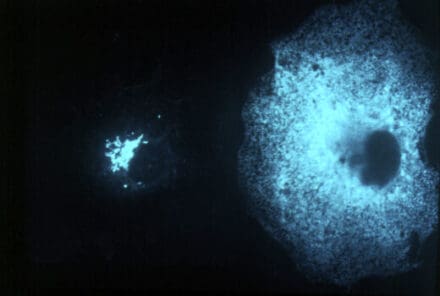
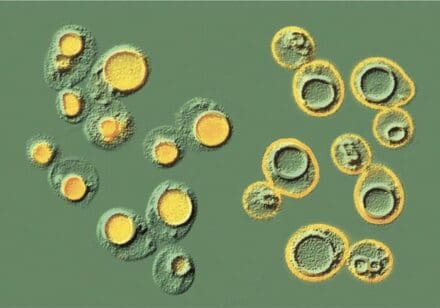
This was the starting point for wider studies, mostly in yeast, of protein sorting and trafficking. We characterised many of the SNARE proteins that catalyse vesicle fusion, including the sorting signals that ensure their correct location and the transport pathways and coat proteins that mediate this. More recently, we studied the role of ubiquitination in membrane protein sorting and quality control and the role of adaptor proteins in controlling the activity of NEDD4 family ubiquitin ligases and guiding them to their substrates.
I am an honorary Fellow of Christ’s College, Cambridge, and an emeritus honorary Professor of Molecular Biology at the University. I was elected a member of EMBO in 1985, a Fellow of the Royal Society in 1988 and was a founder Fellow of the Academy of Medical Sciences in 1998. Among the scientific awards I have received are the EMBO gold medal, the Royal Society Croonian Lecture and medal, the Louis-Jeantet Prize for Medicine and the King Faisal International Prize for Science. I was awarded a knighthood for services to science in 2011.