Venki Ramakrishnan
Structure of the translational apparatus

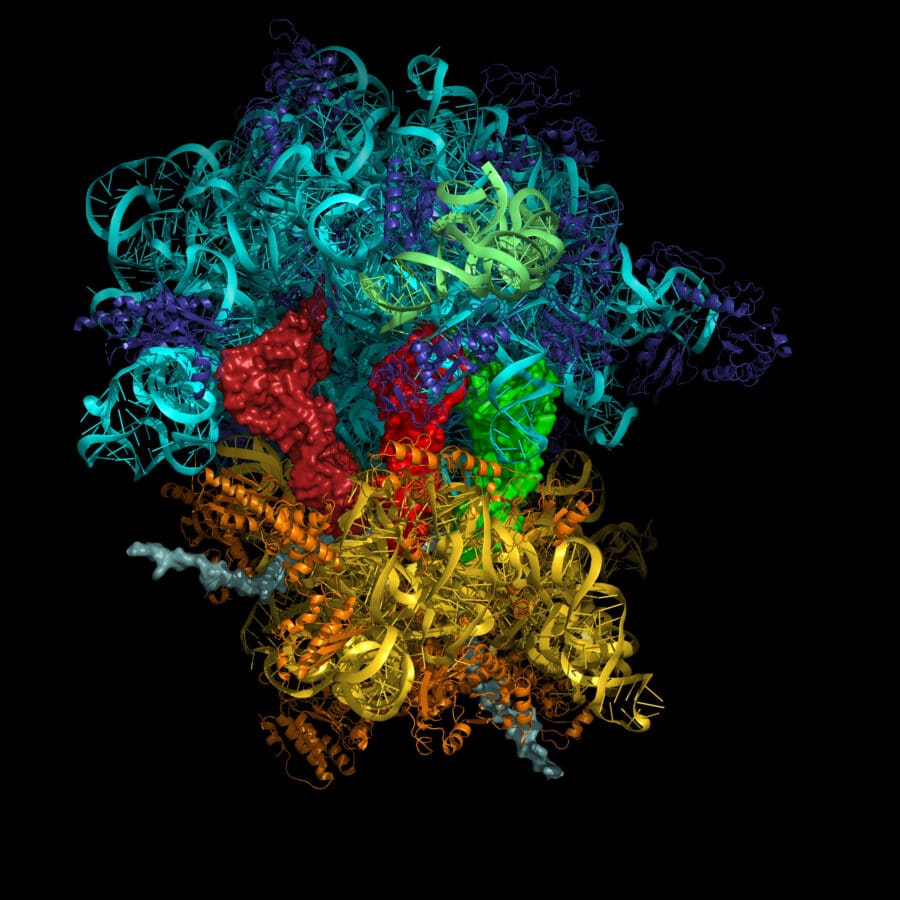
I have had a long-standing interest in ribosome structure and function. In 2000, we determined the first high-resolution structure of the bacterial small ribosomal subunit. This was followed by structures of functional complexes of the entire bacterial ribosome in different states along the translational pathway. In the last decade, we used electron cryomicroscopy to study eukaryotic and mitochondrial translation, particularly the initiation of translation and its regulation. More recently, we have become interested in translation from circular RNAs including their use for RNA therapeutics.
I have also written two books intended for the general public: Gene Machine (2018), a frank memoir about the race for the structure of the ribosome; and more recently, Why We Die: The New Science of Aging and the Quest for Immortality (2024).