William Schafer
Cellular and molecular mechanisms of behaviour

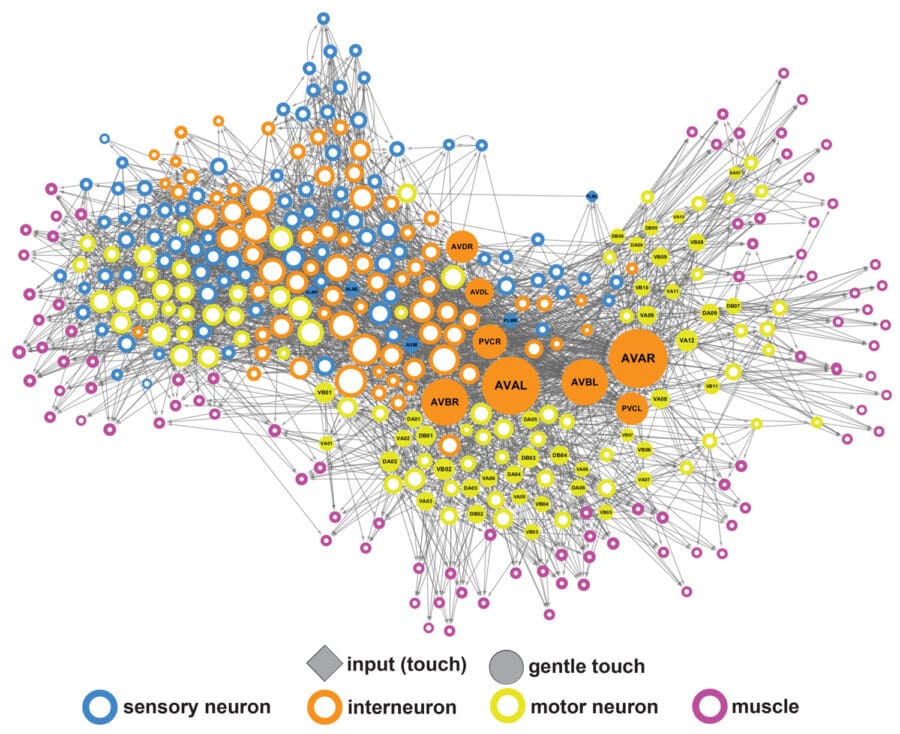
The relationship between genes, neurons and behaviour is a fundamental problem in neuroscience. How do specific gene products act within the context of neuronal circuitry to integrate sensory information, pattern motor outputs and control behavioural states? Our group has been using the nematode Caenorhabditis elegans, with its small and completely mapped neuronal connectome, to identify and study the fundamental principles of nervous system function at the molecular and circuit levels. We have made important technological, experimental and conceptual contributions to understanding processes such as sensory transduction, learning and the control of behavioural states. We have also pioneered methodologies, in particular optogenetic neuroimaging and high-content behavioural phenotyping, that have advanced studies of neural circuits in genetically tractable organisms and been influential throughout neuroscience. We have recently begun to apply these approaches to understand the brains of other animals, in particular the cephalopod Octopus vulgaris.
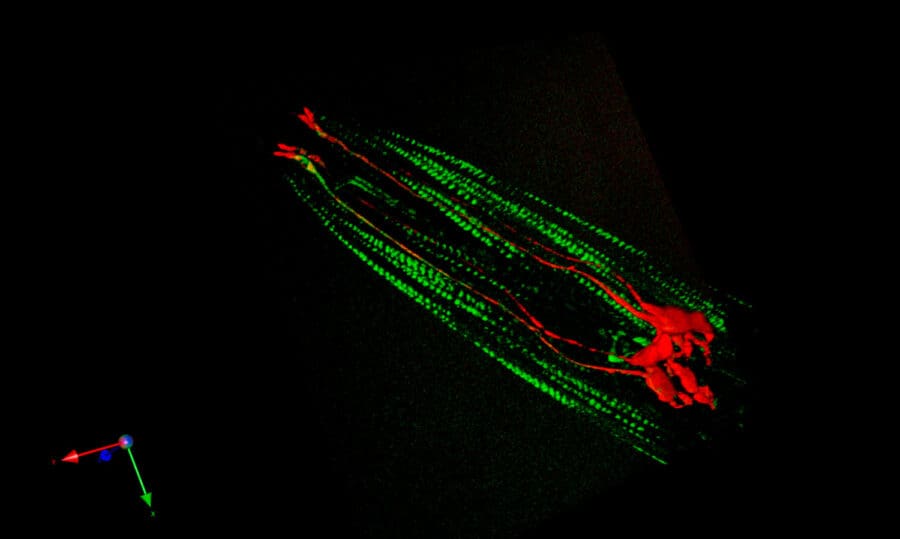
A particular focus of our current work has been to map and characterise neuromodulatory signalling networks. We have identified roles for monoamines, neuropeptides and non-canonical neuromodulators in arousal, learning and context-dependent modulation of sensory circuits. Both aminergic and peptidergic signalling form organised, extrasynaptic ‘wireless’ networks, with afferent and efferent branches and central integrating nodes. By integrating anatomical, biochemical and gene expression datasets, we have comprehensively mapped these networks across the entire nematode nervous system, generating a complete neuropeptide connectome. This connectome serves as a prototype to probe and understand neuromodulatory signalling networks in both small and large brains.