
The immune system is fundamental to protecting the host from infection whilst constraining autoimmunity, inflammation (e.g. asthma and allergy) and immunopathology. This is achieved via innate mechanisms and immune memory which are often localised in specific tissue microenvironments or lymphatic organs but can act throughout the body. We focus on understanding and characterising the intercellular molecular messengers and intracellular transcriptional pathways that regulate innate and adaptive lymphocyte differentiation, commitment and function in health and disease.
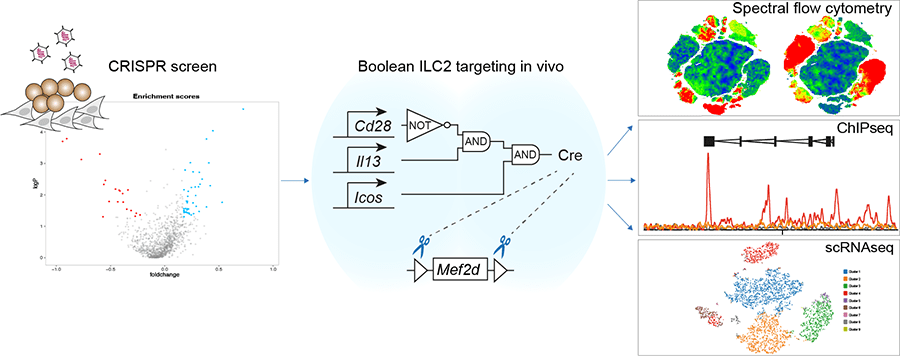
By creating innovative genetically modified mouse models (e.g. gene reporter and Boolean mice) and combining them with functional CRISPR screening, single cell gene expression analysis and fluorescence imaging, we have identified and characterised previously unappreciated roles for immunoregulatory molecules and pathways. These include factors that foster immune cell/cell interaction (integrin αvβ3 in Th2 cells), promote epigenetic modification to enhance immune gene expression (ADNP) and act in feedback loops to enhance or counterregulate inflammation (Mef2d and LIF). Our studies aim to provide mechanistic insight into how these molecules regulate immunity at the cellular and organismal level during homeostasis, inflammation, infection and cancer, and whether they can be targeted therapeutically in humans.
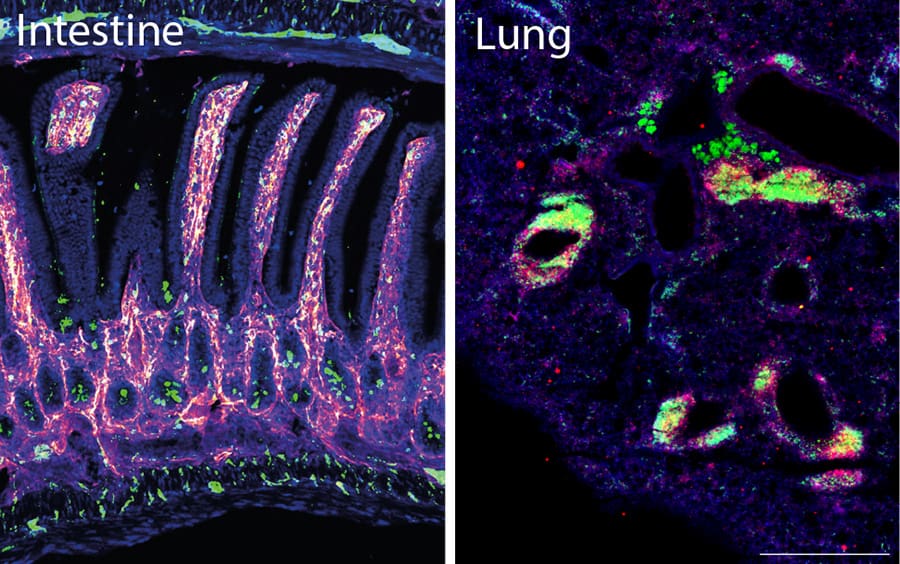
We recently extended our approach to investigate how lymphocytes interact with specific neurons and stromal cells in the intestine and lung to provide additional layers of immune regulation.