Michael Gait
Therapeutic applications of synthetic oligonucleotide analogues and their peptide conjugates

After my PhD in nucleic acids chemistry at the University of Birmingham in 1973 and a postdoc at MIT, USA, with H. Gobind Khorana on gene synthesis, I joined the LMB as a staff scientist, becoming a senior staff scientist in 1987 and MRC Programme Leader in 1994. I retired in 2017.
I worked on methods of solid-phase DNA and RNA synthesis, becoming particularly known for my edited book “Oligonucleotide Synthesis: A Practical Approach” (1984). Later, I worked on nucleic acid analogues in the study of ribozymes and HIV RNA-protein interactions. From the late 1990s, I studied peptide conjugates of steric block antisense oligonucleotide analogues, particularly uncharged peptide nucleic acids (PNA) and phosphorodiamidate morpholino oligonucleotides (PMO), as potential antiviral agents and for redirection of pre-mRNA splicing. From 2007, I collaborated with Matthew Wood and colleagues at the University of Oxford to develop peptide conjugates of PMO for exon skipping in Duchenne muscular dystrophy and other neuromuscular diseases.
I am a Fellow of the Royal Society of Chemistry, a former President of the International Society of Nucleosides, Nucleotides and Nucleic Acids and honorary board member of the Oligonucleotide Therapeutic Society (OTS). I received a Lifetime Achievement Award from OTS in 2017, was elected a member of EMBO in 2006 and was an executive editor of Nucleic Acids Research from 1988‑2012.
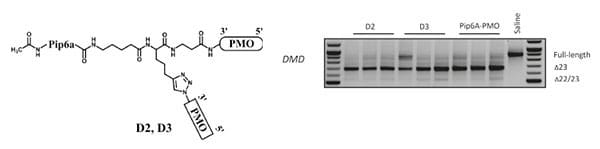
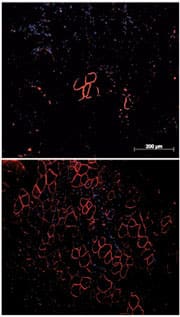
Recent work has focussed on chemical synthesis and use of cell-penetrating peptides as conjugates of PMO to target intranuclear pre-mRNA as steric blocking agents towards the development of therapeutics for treatment of neuromuscular and other genetic diseases. A new class of cell-penetrating peptides, called Pip, was designed, which showed outstanding cell and in vivo delivery of conjugated PMO. Applications include high-level exon skipping of dystrophin pre-mRNA with dystrophin restoration in an mdx-mouse model of Duchenne muscular dystrophy, exon inclusion of the SMN2 gene in muscle and brain in a mouse model of spinal muscular atrophy and targeting expanded repeat sequences in mouse models of myotonic dystrophy. More recent D-PEP peptides have formed the basis of a new MRC-University of Oxford spin-out company, PepGen, to take peptide-PMO to clinical trials.