Yorgo Modis
How cells sense, repress, and tame viruses and retroelements

Viruses and retroelements have been co-evolving with their hosts’ genomes since the origins of life. Viral genomes are often delivered into the cell as RNA, but many viruses can integrate DNA copies of their genome into the host genome. Our genome contains many such viral retroelements. However most of the retroelements in our genome are of cellular origin. Whether of viral or cellular origin, retroelements can cause serious genome damage through transposition events. This means cells must tightly regulate retroelement expression to maintain genome integrity. Why then are retroelements so ubiquitous and abundant, accounting for more than half of the human genome? Recent studies suggest retroelements serve as a genetic reservoir from which new genes, regulatory elements and transcriptional networks can emerge.
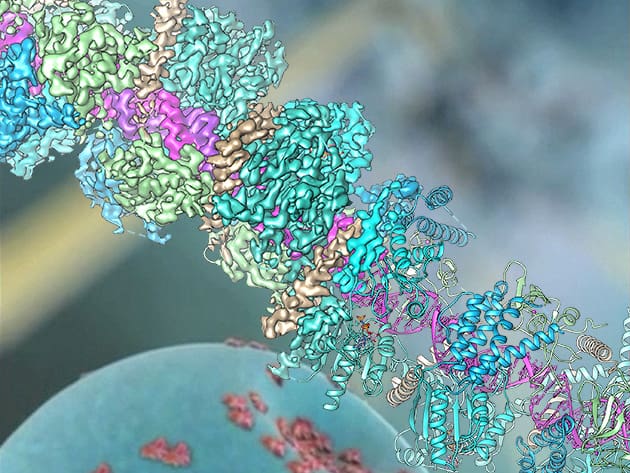
We aim to understand how the genetic elements in our genome derived from viruses and retroelements are sensed, silenced and co-opted by the cell. We apply a complementary set of biophysical, biochemical and cell biological approaches, with a focus on using high-resolution structural information from cryo-EM and X-ray crystallography to obtain detailed mechanistic insights with atomic-level detail.
Our key goals are to understand:
- How cells recognise viral dsRNA in the cytosol with the necessary sensitivity and specificity.
- How cells recognise and repress harmful retroelement expression.
- Which retroelements escape repression and how they cause disease or fulfil vital cellular functions.
Our work will explain how the cell balances the threats retroelements pose to the genome with their powerful potential as catalysts of evolutionary fitness.