Marta Zlatic
Circuit mechanisms of learning and action‑selection

The Zlatic group aims to understand the basic principles by which neural circuits implement fundamental computations, in particular learning and memory-based decision-making. We have pioneered an interdisciplinary approach that combines brain-wide analysis of neural connectivity, activity, gene expression and behaviour in the tractable model system, the Drosophila larva. We have also generated essential tools and resources for bridging the gap between behaviour, circuits, neurons and genes, including high-throughput methods for determining the behavioural roles of individual neuron types; synaptic-resolution connectivity maps of the entire insect brain and comprehensive single-cell transcriptomic atlases of the larval nervous system. By combining structural and functional connectivity maps with targeted manipulation of specific neurons and behavioural studies, we have discovered fundamental principles that govern circuit assembly and uncovered key mechanisms by which multisensory integration, action-selection and learning are implemented in the brain.
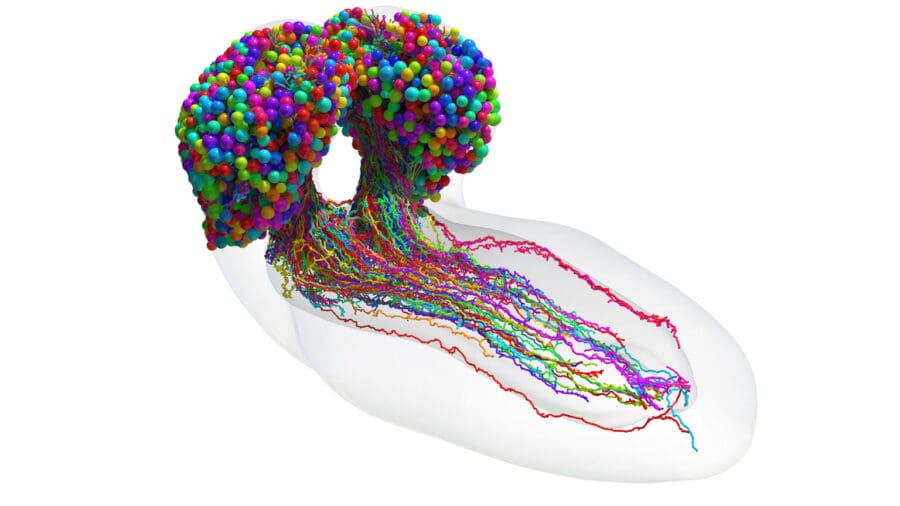
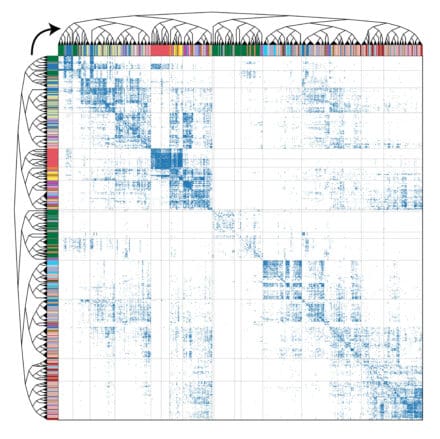
A major focus of our current research is to comprehensively discover functional, structural and molecular changes induced by learning by imaging the activity of all brain neurons during a range of learning tasks, identifying molecules upregulated in specific neurons during learning and imaging brains with electron microscopy after learning. We are also investigating the molecular mechanisms that regulate the rates and amounts of learning by developing models of learning circuits constrained by structural and functional data and experimentally testing models predictions, to discover circuit motifs that implement memory-based action-selection and compare structural, functional and molecular properties of learning circuits in better- and worse-learner species and individuals to identify factors that can improve learning.