Our group studies the mechanisms of mutagenesis, changes in DNA sequence, and epimutagenesis, changes in the chromatin environment of a region of DNA.
We are interested in how genomic sequence, architecture and transactions, such as replication and transcription, locally influence mutagenesis. We also seek to understand how mutagenesis shapes genome structure and function in the population, where it creates phenotypic diversity and, in cancer, where it drives tumour evolution and therapeutic resistance.
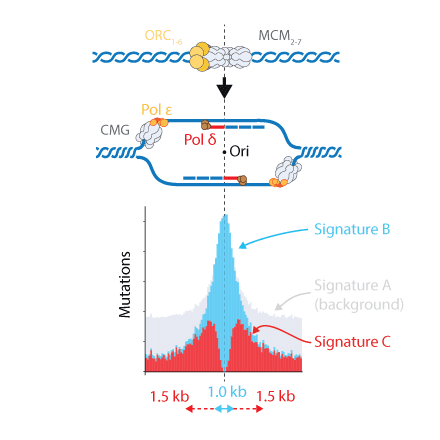
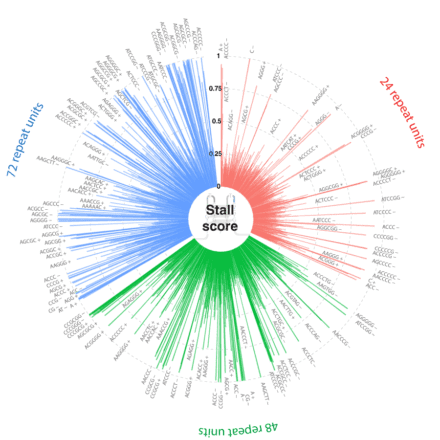
We focus especially on how such changes come about as a result of the interaction of replication and transcription of repetitive and secondary structure-forming DNA.
Increasingly, to understand the operation and evolution of genomes, it will be necessary to test hypotheses with large-scale genome synthesis. To this end, we are also developing innovative strategies for the creation of synthetic sections of human chromosomes, which will allow us to test the extent to which we understand the relationship between genome organisation, topology and function.